Originally published: October 8, 2015 | Last updated: August 18, 2025
TL;DR: The six most common DIY Will errors are: (1) listing all your assets instead of using a residual clause, (2) including property you do not own outright, (3) failing to name a residual beneficiary, (4) not providing for dependents, (5) not planning for alternate scenarios, and (6) incorrect signing. Most of these errors occur with blank-form kits and handwritten Wills — not with interactive online services like USLegalWills.com, which prevent most of these mistakes by design.
Do People Really Make Mistakes with DIY Wills?
A news article appears from time to time which shows people who make vital errors while creating their own Wills. The legal field adopts these incidents to warn people about making their own Wills but the reasoning behind it seems deceptive. Even lawyers make mistakes, like the case where an attorney had a couple accidentally sign each other’s Wills.
You need to select your DIY Will preparation method because it serves as the main difference between options. People who use blank-form kits and handwritten Wills face high risks when creating their Wills. USLegalWills.com operates as an interactive online service which blocks users from making these common mistakes through its system.
Error #1: Should You List All Your Assets in a Will?
Never try to distribute your estate based on the assets you have today. The strategy of listing separate assets to achieve equal distribution between three children proves to be an ineffective method.
The reasons are clear:
- Your death today seems highly unlikely because your possessions will experience major transformations during the upcoming years and decades.
- You would need to update your Will every time you buy or sell something
- You have no idea what your assets will be when the Will comes into effect
The correct approach in a DIY Will:
- You should designate particular belongings to specific people who will receive them (family heirlooms and specified amounts for charitable organizations).
- You should use a residual estate clause to cover all remaining property which states either “everything to my spouse” or “divided equally between my children”.
- Your Executor obtains assets which they will distribute after death according to these instructions.
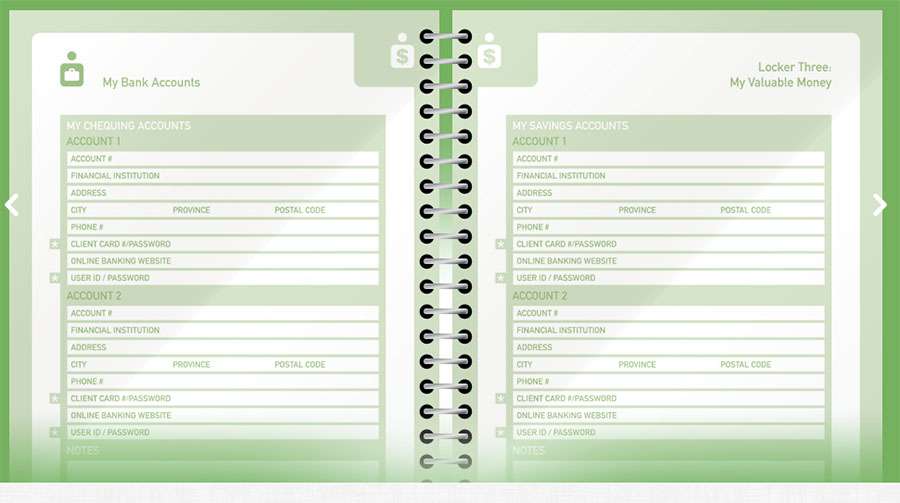
Your Executor needs a separate list of assets which will help them find every asset you possess.
Error #2: What Happens If You Include Assets You Do Not Own?
People who create their own Wills make the mistake of including property which belongs to others because their house exists under joint ownership with rights of survivorship.
Example of how this goes wrong:
- A parent leaves their share of a jointly-held house to one child
- A life insurance policy goes to another child
- The parent believes the values are roughly equal
- But the house bequest is ignored because of joint tenancy – one child receives nothing
You need to establish your ownership rights before you add any property to your Will.
Error #3: Why Is a Residual Beneficiary Critical?
The residual beneficiary receives everything after taxes, funeral expenses, debts, and specific gifts are distributed.
The most cited example is Ann Aldrich of Florida , who prepared a DIY Will using a blank-form kit. She hand-wrote specific bequests – her house, IRA, life insurance, car, and bank accounts – all to her sister.
The person who receives what’s left after all other estate distributions become the primary beneficiary of the estate in actual situations.
Error #4: Can You Ignore Dependents in Your Will?

The process of disinheriting your spouse remains difficult to accomplish in United States law.
| State Law Type | How Spousal Inheritance Works |
|---|---|
| Community property states | The surviving spouse automatically owns half of all community property |
| Elective share states | The surviving spouse can claim a statutory share of the estate, regardless of what the Will says |
| Length-of-marriage states | The spouse’s inheritance right is based on how long the couple was married |
You must include your minor children as dependents when creating your Will.
Error #5: What Happens If You Do Not Plan for Alternate Scenarios?
This is one of the trickiest issues in any DIY Will. You need to establish several hypothetical situations which will help you create an estate distribution plan that works for any sequence of events.
The Estate of Duke in California illustrates the danger. Irving Duke created a holographic Will which named his wife as the sole beneficiary of his estate but he also specified that particular charities would receive his assets if they died together.
What Makes Alternate Planning Difficult?
- Couples who do not have children need to think about their nieces and nephews along with other family members when planning for different situations.
- The system needs to decide between two options when one nephew cannot receive their share: should the funds return to the main pool or should they transfer to the family members of that nephew?
- Family groups need to decide between two options for distribution because one side of the family contains more members than the other side.
- Your alternate plan cannot depend on your spouse’s Will – they can change it at any time
USLegalWills.com prevents you from creating a Will which fails to cover every possible situation. Our support team will walk you through unlikely scenarios to ensure every possibility is addressed.
Error #6: How Do You Sign a DIY Will Correctly?

This is the most common error in DIY Wills. The case of Gary William Kruger is particularly sad. He wrote his Will entirely by hand, had it notarized, but had no witness signatures. In 27 states, his handwritten Will would have been accepted as a legal holographic Will – but not in Minnesota, where he lived.
The courts ignored his obvious intentions and his estate went to his nieces through intestate distribution, not to his cousin Jill Widman as he had wished.
What Are the Correct Signing Requirements?
The requirements are straightforward:
- Sign in the presence of two adult witnesses
- Witnesses must have nothing to gain from the contents of the Will
- Witnesses must not be beneficiaries or spouses of beneficiaries
- All three must sign in each other’s presence
- No notarization is required to make it a legal document
It really is that simple. Next time you have friends over for dinner, take out your document, tell them you are signing your Will, let them watch, and have them sign next to your signature. You now have a legal Last Will and Testament.
Should You Avoid DIY Wills Entirely?
The answer depends on which type of DIY Will you are considering:
| DIY Method | Risk Level | Common Errors Prevented? |
|---|---|---|
| Handwritten (holographic) Will | High | No – all six errors are possible |
| Blank-form Will kit | High | No – provides no guidance or error checking |
| Interactive online service (USLegalWills.com) | Low | Yes – prevents missing residual clause, warns about dependents, requires all alternates, provides signing instructions |
The legal profession shows examples of DIY Will errors which stem from people using blank-form kits or handwritten Wills but these errors do not occur with interactive online services.
The way I see it most people should not pay big money to lawyers for their Will creation services.
Related Reading
- The authors discovered the worst advice which exists about writing legal wills.
- The list contains ten absurd warnings which lawyers provide to their clients about using online will services.
- The Holographic Will
- How to Write a Will: Your 10-Step Guide
- Cost of a Will: From $0 to $2,000

He has over 20 years of experience helping people to write their Will and other estate planning documents. He has been interviewed by many of the major news media outlets, and has contributed to articles in The New York Times, NY Metro Parents, U.S. News & World Report, and other leading publications. He has also contributed to a number of financial planning books.
Throughout his career, Tim has written extensively on the subject of Will writing and estate planning.
- Testamentary Trusts – what are they and how are they created? - April 2, 2026
- Every document you need for a complete estate plan. - March 26, 2026
- Estate Planning in troubled times - March 12, 2026