Originally published: February 2, 2017 | Last updated: December 4, 2025
TL;DR: Every adult needs a Will, regardless of age, wealth, or family situation. The most common excuses – “I’m not rich enough,” “I’m too young,” “my spouse gets everything,” “I can’t afford it” – are all wrong. Without a Will, a court decides who raises your children, intestacy laws may give your assets to people you did not intend, and your family faces unnecessary legal and financial burdens. An online Will costs as little as $49.95 and takes about 20 minutes.
Why Does Every Adult Need a Will?
Most American adults show no interest in creating wills according to every study which examines this subject. People avoid the subject because no one wants to think about their own mortality. Some people believe their death will arrive sooner if they create a Will.
The reality is simple: if you are an adult, you need a Will. A Will provides essential benefits which help you distribute your assets when you die even though you lack major financial holdings.

A Will allows you to:
- Name a guardian for your minor children
- Specify how your assets – no matter how modest – are distributed
- Designate who manages your digital accounts and online presence
- Appoint an Executor to handle your estate efficiently
- Include charitable bequests or special gifts
- Prevent intestacy laws from distributing your estate in ways you would not want
Do You Need a Will If You Are Not Rich?
Yes. Many people wrongly believe that creating a Will remains their only option for using this legal document. People of all economic backgrounds can benefit from having a Will. Most people possess more assets than they realize:
- Savings and checking accounts
- A vehicle
- Jewelry or family heirlooms
- Furniture and personal belongings
- Life insurance policies
- Retirement accounts (401k, IRA)
Your current assets might be small but your Will becomes active when an indefinite future date arrives. You have no idea what your estate will be worth at that time. A wrongful death settlement, an inheritance from a relative, or decades of savings could dramatically increase the value of your estate.
A Will makes things significantly easier for your loved ones when dealing with your estate after you die. The probate process becomes more costly and time-consuming and stressful when you do not have one.
What If You Have Nothing to Leave?
A Will provides protection which extends beyond financial assets and real estate ownership:
Guardianship of Minor Children
If you have children under 18, a Will is essential. The court will select your children’s guardian because you did not designate someone to raise them. The judge operates independently because they lack knowledge about your family background or your personal beliefs and choices. The court will select someone to serve as guardian even though you would not choose that person for your children. Your Will becomes an instrument to protect your children because you select their guardian through this document.
Digital Assets
People today manage their digital assets because these resources have become essential for their everyday activities. These include:
- People need access to their Email and social media accounts
- Websites, blogs, and domain names (which may have monetary value)
- People can handle their banking and investment activities through their online accounts
- Users store their digital photos and music collections and cloud data in digital locations
- Cryptocurrency wallets
The absence of instructions in your Will would stop your family from obtaining access to these accounts and from handling their closure procedures. You can establish your social media account deletion or memorialization preferences through LifeLocker which functions as a service.
Are You Too Young to Make a Will?
No. People who reach their 18th birthday become eligible to create wills which courts will accept as legal documents. People tend to wait until their 30s or 40s before they start thinking about making a Will but this approach proves to be incorrect.
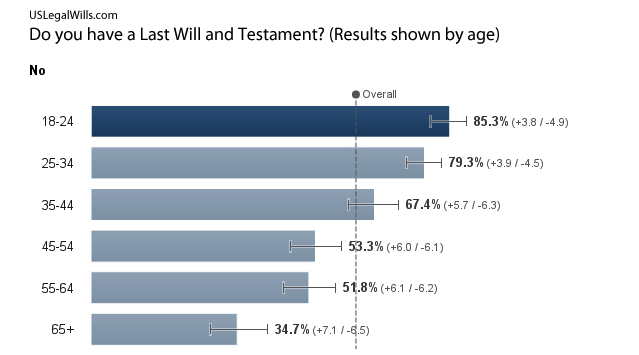
There are two critical reasons not to wait:
- You do not know when you will die. Accidents happen at every age. A Will ensures your wishes are documented regardless of when the unexpected occurs.
- To create estate planning documents you need to have complete mental capacity. People who wait until old age might lose their ability to make decisions because dementia or Alzheimer’s disease could develop. The opportunity to create a valid Will disappears after someone loses their mental capacity.
People regularly contact us about their elderly parents who developed dementia because these parents never got around to making a Will. The situation reaches a point where no further actions remain possible because the parent will pass away without a Will and the court must establish all matters.
Can You Afford Not to Make a Will?
The process of creating a Will does not require you to spend a lot of money. The times when you had to pay $300-$1,000+ per hour to hire an attorney for your only choice have passed.
At USLegalWills.com, preparing a Will costs $49.95 and includes one year of unlimited updates. The guided, step-by-step process takes approximately 20 minutes.
To put $49.95 in perspective:
| Expense | Approximate Cost |
|---|---|
| One dinner out for two | $50–$100 |
| 10 Starbucks visits | $50–$70 |
| Family movie outing (4 people) | $60–$80 |
| Online Will at USLegalWills.com | $49.95 |
The cost of not having a Will is far greater. Intestate probate proceedings are more expensive, take longer, and may result in your assets going to people you did not intend.
Will Your Spouse Automatically Get Everything If You Die Without a Will?
No. The estate planning world faces this dangerous myth which people keep believing. Each state operates its own intestacy laws which prevent spouses from receiving full property ownership.
Case Study: Florida
- Spouse, no children: Spouse inherits everything
- Children, no spouse: Children inherit everything
- Spouse + children from another relationship: Spouse receives 50%, children split the remaining 50%
Example: An estate worth $1 million with a surviving spouse, 2 children from the current marriage, and 3 children from a previous relationship. The spouse receives $500,000. The remaining $500,000 is split among all 5 children – $100,000 each. The Executor needs to sell the family home for estate distribution in most situations.
Case Study: Virginia
- Spouse, no children: Spouse inherits everything
- Spouse + child from another relationship: Spouse receives only one-third
On a $1 million estate, the spouse would receive just $333,333. On a $100,000 estate, the spouse gets roughly $33,000 – almost certainly forcing the sale of the family home.
Case Study: California
- Spouse, no children: Spouse receives only half – the other half goes to the deceased’s parents
| State | Scenario | Spouse Receives |
|---|---|---|
| Florida | Spouse + children from other relationship | 50% |
| Virginia | Spouse + child from other relationship | 33% |
| California | Spouse, no children | 50% (parents get the rest) |
The only way to protect your family from intestacy laws is to make a Will.
What Are the Most Common Excuses for Not Having a Will?
| Excuse | Reality |
|---|---|
| “I’m not rich enough” | A Will covers guardianship, digital assets, and personal property – not just money |
| “I’m too young” | If you are 18+, you need a Will. Mental capacity can be lost at any age |
| “My spouse gets everything” | Intestacy laws in most states give your spouse less than 100% |
| “I can’t afford it” | An online Will costs $49.95 – less than a dinner out |
| “I don’t have time” | An online Will takes approximately 20 minutes to complete |
| “I’ll do it later” | You may lose mental capacity or die unexpectedly before “later” arrives |
Related Articles
- How to Write a Will: Your 10 Step Guide to Success
- Making a Will: 5 Reasons to Not Procrastinate
- Are There Even Fewer Americans Without Wills?
- I’m Young, I’m Single: Special Considerations on Writing a Will
- Cost of a Will: From Zero to $2,000
- Choose a Guardian for Your Children

He has over 20 years of experience helping people to write their Will and other estate planning documents. He has been interviewed by many of the major news media outlets, and has contributed to articles in The New York Times, NY Metro Parents, U.S. News & World Report, and other leading publications. He has also contributed to a number of financial planning books.
Throughout his career, Tim has written extensively on the subject of Will writing and estate planning.
- Testamentary Trusts – what are they and how are they created? - April 2, 2026
- Every document you need for a complete estate plan. - March 26, 2026
- Estate Planning in troubled times - March 12, 2026