Originally published: May 13, 2015 | Last updated: August 11, 2025
TL;DR: 90% of Americans aged 18–34 do not have a Will. The two main reasons: they believe they do not need one (wrong) or they have not gotten around to it (fixable in 20 minutes). Young, single people need a Will to name an Executor, control estate distribution, manage digital assets, consider charitable giving, and establish Advance Directives. Your estate may be worth far more than you think — wrongful death settlements average $4.1 million in some states. A Will at USLegalWills.com costs $49.95 with free lifetime updates.
How Many Young Americans Have a Will?

The American public shows 64% of adults in the United States do not possess a Last Will and Testament. The numbers are worse for younger age groups:
| Age Group | Without a Will |
|---|---|
| 18–34 | 90% |
| 35–44 | 80% |
| Single parents with children | 83% |
Young single people fall into two camps: deniers (who believe they do not need a Will) and procrastinators (who know they should but have not gotten around to it). Here is why both groups should act now.
Should You Write a Will If You Are Not Planning to Die?
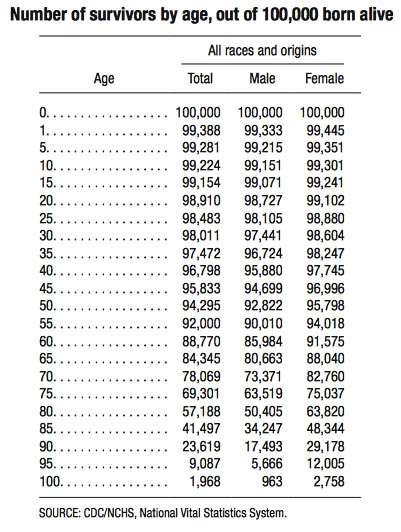
The chances are you are not going to die anytime soon. CDC data shows you have only about a 2.5% chance of dying before age 35. So why write a Will?
Because a Will is not written in contemplation of death. It is part of sensible financial planning – a document in your financial portfolio that you review periodically and update when circumstances change. There should never be a time in your life when you are without an up-to-date Last Will and Testament.
The cost barrier disappears when you use USLegalWills.com because they offer their service for $49.95 which includes free updates that last for life. Your document serves as an active record which you update to reflect your evolving life experiences.
Do You Really Have Nothing Worth Leaving?

You may look around your apartment and see a bed, a guitar, and a used car. But there is more to a Will than dividing possessions. Consider this:
- Wrongful death settlements — If you die in an accident where someone is liable, your estate could be worth millions. In Maryland alone, the average wrongful death settlement is $4.1 million.
- Life insurance payouts — Your employer may provide life insurance you have forgotten about
- Future assets — Your Will comes into effect when you die, which could be decades from now when you have accumulated significantly more
You have absolutely no idea how much you will be worth when you die. That alone is reason enough for writing a Will.
Should You Wait Until Your Life Settles Down?
No. People tend to delay their Will creation because they want to wait for marriage or homeownership or parenthood. One caller told us: “Fortunately, I don’t need a Will yet.”
Your life will change, and it will not stop changing. People should stop searching for an impossible state of equilibrium which doesn’t exist. Instead:
- Write your Will now and update it when circumstances change
- With USLegalWills.com, updates are free – no additional fees like a lawyer would charge
- You should never be without a Will, even temporarily
If you are expecting a baby in August, do not hold off. Write your Will now, then update it in August. The cost of updating with a lawyer (several hundred dollars each time) makes procrastination understandable – but with online services, that barrier is gone.
Who Will Handle Your Affairs If You Do Not Choose?
A Will is not just about distributing possessions. You make critical appointments, most importantly your Executor. This person will:
- Deal with creditors, the IRS, and the court system
- Divide your assets and possessions
- Handle administrative paperwork
Your parents seem like the natural choice but they might not be suitable because they could be dealing with grief or their age or they don’t have the necessary skills to handle the documentation.
Are Your Beneficiaries Really Obvious?
The state takes control of your assets when you die without a Will because your death becomes known as “intestate”. For single people without children, assets typically go entirely to your parents.
- You may prefer your siblings receive something at their stage of life rather than your aging parents
- Your partner (boyfriend or girlfriend) receives absolutely nothing without a Will
- A close nephew, niece, or friend you want to remember
- Family dynamics that make default distribution inappropriate
Even if you want everything to go to your parents, a Will lets you take control rather than leaving it to state law.
Should Young People Consider Charitable Donations in a Will?

The creation of a Will allows you to direct your property toward the causes which matter most to you including social causes and community projects and education and preservation and environmental protection and healthcare services and your church organization.
What About Power of Attorney and Healthcare Directives?
The creation of a Will represents only one aspect which makes up your complete estate planning document. You should also prepare:
- Advance Directives / Living Will – Express your wishes for medical treatment if incapacitated
- Healthcare Power of Attorney – Name someone to make medical decisions on your behalf
- Financial Power of Attorney – Authorize someone to manage your finances if you cannot
Family disputes over tough medical decisions are common when no directives exist. These documents let you proactively voice your preferences and designate a decision-maker during the most difficult times.
Why Are Digital Assets Especially Important for Young People?
Young people tend to possess a digital footprint which far exceeds what older generations have accumulated. Digital assets fall into three categories:
| Category | Examples | What Needs to Happen |
|---|---|---|
| Accounts needing closure | LinkedIn, Twitter/X, Facebook, streaming services | Designate someone to close or memorialize accounts |
| Emotionally valuable assets | Photo storage (Flickr, Instagram), email archives | Name a beneficiary; provide login credentials to your Executor |
| Financially valuable assets | YouTube channels, AdSense, blogs, domain names, cryptocurrency, PayPal balances | Name beneficiaries; document in MyLifeLocker so nothing is lost |
Friends and family members find it strange when they must congratulate you on your work anniversary because you passed away six months ago. Without documented credentials, valuable digital assets can be permanently lost .
How Easy Is It to Write a Will?

The process of creating a Will remains simple because it does not require any knowledge about estate planning law. The system at USLegalWills.com leads you through the procedure by asking basic questions that users can handle:
- Who do you want to take care of your estate?
- How would you want things distributed?
- Do you have particular items for specific individuals?
Once complete, download the PDF, print it, and sign in the presence of two witnesses who have nothing to gain from the contents. You need to know this is a complete legal Will. The entire process takes about 20 minutes .
If circumstances change later, simply log in, update your information, print the new document, and sign it again. Your Will always reflects your current situation.
People contact us through phone calls to ask about Will creation for their confused mothers who need assistance with this process. The short answer: with great difficulty.
The Bottom Line
There is no advantage to waiting. The document serves to let you select an Executor while it lets you direct your estate distribution and digital asset control and healthcare directive establishment.
Start writing your Will today at USLegalWills.com.
Related Reading
- Why You Need a Will
- When to Write a Will: The Right Age
- Are There Even Fewer Americans Without Wills?
- Digital Assets and the LifeLocker
- Estate Planning for New Parents

He has over 20 years of experience helping people to write their Will and other estate planning documents. He has been interviewed by many of the major news media outlets, and has contributed to articles in The New York Times, NY Metro Parents, U.S. News & World Report, and other leading publications. He has also contributed to a number of financial planning books.
Throughout his career, Tim has written extensively on the subject of Will writing and estate planning.
- Testamentary Trusts – what are they and how are they created? - April 2, 2026
- Every document you need for a complete estate plan. - March 26, 2026
- Estate Planning in troubled times - March 12, 2026