Originally published: September 16, 2016 | Last updated: October 13, 2025
TL;DR: Writing a Will is a painless process that most people overthink. There are three approaches: free Will kits (dangerous — high error rate), estate planning attorneys ($300–$1,000+), and online services like USLegalWills.com (under $50, same legal software as attorneys). Key steps: choose beneficiaries using a residual clause (do not list every asset), appoint an Executor and guardians, make it legal with two independent witnesses, store it where your Executor can find it, document your assets with a tool like LifeLocker, and update it whenever circumstances change.
Writing a Will is one of the most important things everyone should do, yet most Americans avoid it . The good news: you do not need to know how to write a Will from scratch. The process becomes accessible through multiple support systems which let you finish it quickly without spending much money in about 30 minutes.

What Are the Three Ways to Write a Will?
Option 1: Free and Blank Will Kits
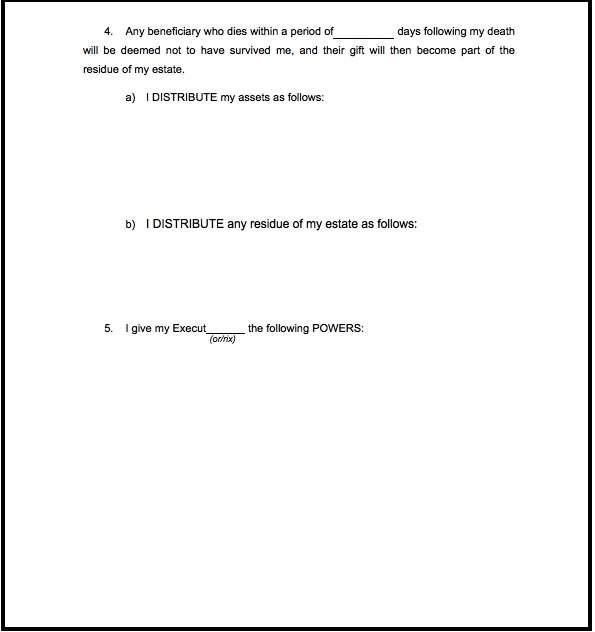
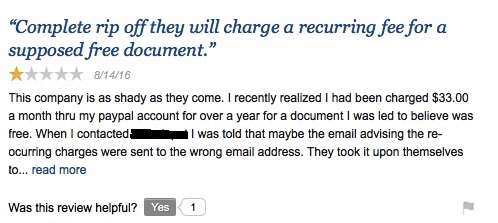
The fill-in-the-blank Will kits appear to be simple but they create major problems as a choice. The process of creating a legal document becomes highly complex because you need to develop a paper which fulfills three requirements: it should contain particular details for your state and maintain legal validity. The current situation contains various problems because it includes invalid contract terms and lacks backup strategies and conditional gifts which result in legal uncertainty. You should leave any online “free Will service” immediately because the product either fails to meet your needs or it will attempt to make you pay for ongoing subscription fees.
Option 2: Estate Planning Attorney
People should hire lawyers to handle complicated cases yet this approach demands them to pay between $300 and $1,000 for services which also create scheduling difficulties. The cost of will updates together with appointment difficulties discourage people from making necessary updates to their wills which is crucial because life circumstances tend to change.
Option 3: Online Will Service (Recommended)
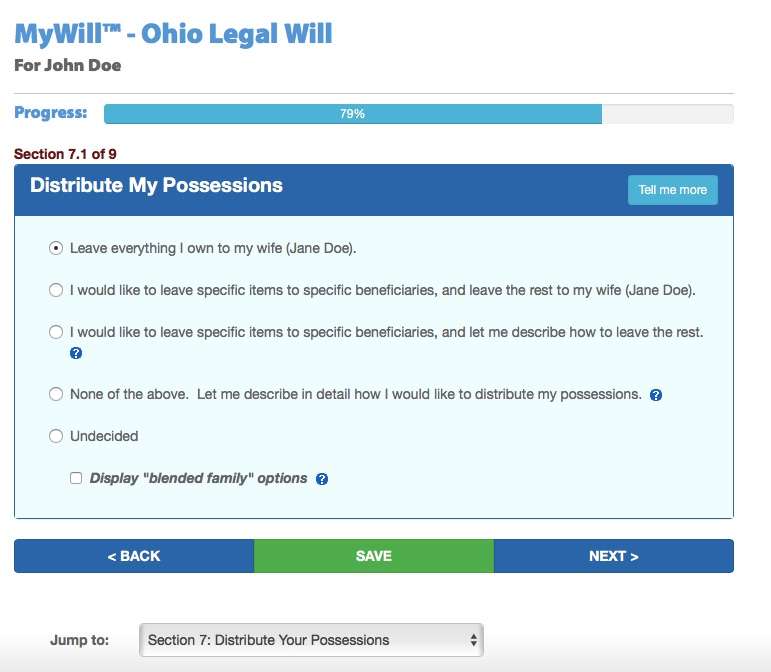
USLegalWills.com operates as an online service which asks you questions to create your personalized document through their estate planning software that attorneys also use. The document matches a lawyer-created Will exactly but users pay a fraction of the cost. Your document stays open for editing whenever you need to change it through your account access. Our definitive 10-step guide offers all the information you need to select the right approach.
Who Should You Leave Your Assets To?
You need to clearly state who you want as beneficiaries of your estate. The process needs you to dedicate your full attention because you must deliver your message in an understandable mode. Your estate distribution requires specific instructions about which nephews should receive inheritance because you need to decide between all nephews or only your sister’s children or future siblings who might be born after you create your Will.
Key principles for naming beneficiaries:
- Do not list every possession – it would be time-consuming and immediately outdated. Most estate plans use a residual clause: “I leave my entire residual estate to…”
- Make specific gifts for meaningful items like jewelry, collections, or family heirlooms
- You should give money to charity because these donations will help lower the amount of taxes your estate needs to pay. See our guide on planned giving and charitable bequests
- The document needs to include plans for upcoming events which should protect all births and deaths that occur after the Will has been completed.
How Do You Choose the Right Executor?
Your Will requires an Executor because this position stands as one of your most vital designations. Not everyone wants or has the ability to fulfill this role. Key considerations:
- Always ask first – never appoint someone without their agreement
- You should select someone based on their abilities rather than emotional ties because you need to avoid choosing someone only to prevent hurting their feelings. If one sibling is clearly more capable, choose them
- You should select a professional to serve as guardian when you cannot find an appropriate family member or friend because lawyers and banks will charge you for their services.
How Do You Choose a Guardian for Your Children?

You need to select a guardian for your children because this decision stands as your highest level of importance. You should make a thoughtful decision about who should become your guardian because these guardians can be either family members or friends who make good choices. You need to evaluate all advantages and disadvantages before you talk to every individual who will receive your appointment. The process of becoming a guardian requires so much dedication that most people would probably decide against taking it on.
Your Will allows you to create trusts for your children who have not reached adulthood by naming trustees who will manage their assets until they become eligible to receive their inheritance. The article about child guardianship selection provides additional direction for your decision-making process.
Should You Tell People About Your Will?
A Will serves as a personal document but most people find it helpful to discuss its content with their family members. If you are leaving your grandmother’s jewelry to your granddaughter, explain this to your daughter first. More importantly, tell people that you have made a Will and where it is stored . A Will is only useful if it can be found when needed.
How Do You Make Your Will Legally Valid?
The process of correctly executing your Will remains simple yet very important. The rules:
| Requirement | Details |
|---|---|
| Witnesses | Two independent adults, both present at the same time |
| Who cannot witness | Beneficiaries, spouses of beneficiaries, or anyone who gains from the Will |
| Signing | All three sign in each other’s presence |
| Witness knowledge | Witnesses do not need to know the Will’s contents |
| NOT required | Notarization, registration, lawyer presence, oaths, or court filing |
Where Should You Store Your Will?
Your Will must be findable. Storage options ranked:
- With your Executor — in a sealed envelope. Safest option: protects against fire and flood
- Fireproof safe at home — better than a drawer, but still vulnerable
- Safety deposit box — extremely secure but potentially problematic. If your Executor is not a box holder, the bank will not grant access after your death
Warning: Scanned, digitized, or uploaded Wills are not accepted as legal documents. Only the original printed, signed document is legally valid.
How Should You Document Your Assets?

Your Executor needs to know what assets exist in your estate. You should create a record which contains your bank accounts together with your investment portfolio and life insurance policies and safe deposit box details and digital asset information. USLegalWills.com offers LifeLocker as an online asset management system which enables you to track your assets while specific people gain access to this data during particular moments.
When Should You Update Your Will?
Your Will needs to change according to your personal growth throughout your lifetime. You need to update your Will when you:
- Have a child or grandchild
- Get married or divorced
- Want to add a new bequest or charitable gift
- Experience a significant change in financial situation
- Want to change your Executor or guardian appointments
With USLegalWills.com, you simply log in, make changes, and print and sign the new document. Writing a Will is a simple and painless process – start today and protect your family. Consider also adding a Power of Attorney and Living Will for complete estate protection.

He has over 20 years of experience helping people to write their Will and other estate planning documents. He has been interviewed by many of the major news media outlets, and has contributed to articles in The New York Times, NY Metro Parents, U.S. News & World Report, and other leading publications. He has also contributed to a number of financial planning books.
Throughout his career, Tim has written extensively on the subject of Will writing and estate planning.
- Testamentary Trusts – what are they and how are they created? - April 2, 2026
- Every document you need for a complete estate plan. - March 26, 2026
- Estate Planning in troubled times - March 12, 2026