Originally published: May 5, 2016 | Last updated: September 8, 2025
TL;DR: Couples should use Mirror Wills (also called Reciprocal Wills), not Joint Wills or Mutual Wills. A Joint Will is a single document for two people that creates legal ambiguity and locks the surviving partner into rigid terms. Mirror Wills are separate, flexible documents with essentially the same terms that avoid these problems. If you need to protect children from a previous relationship, use a Trust within your Mirror Will rather than a binding Joint Will. At USLegalWills.com, Mirror Wills cost $49.95 for the first and $29.97 for the second.
What Is a Joint Will and Why Do Couples Ask About It?
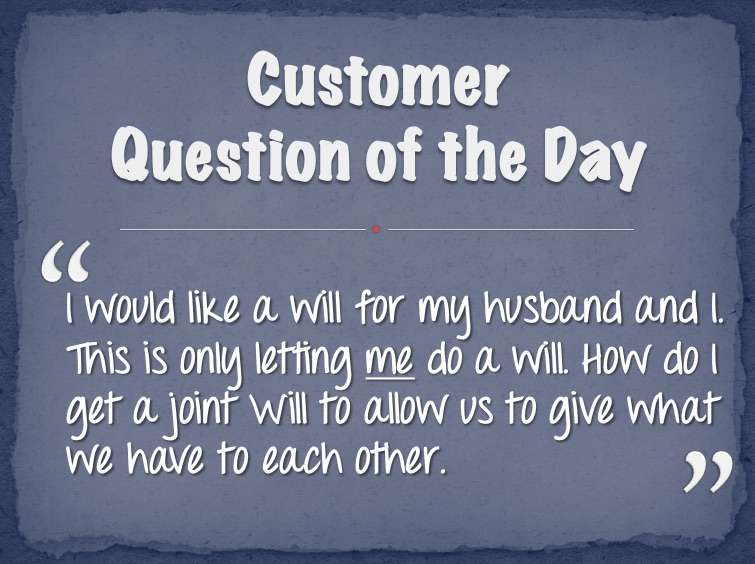
We get this question almost every day: “I would like a Will for my husband and me. This is only letting me do one Will. How do I get a joint Will that will allow us to give what we have to each other?”
People who want to create a joint Will must pick from three different options which exist for them to choose from:
- A Joint Will – a single document combining both partners’ Wills
- Mutual Wills – two identical Wills with a binding contract
- Reciprocal or Mirror Wills – separate Wills with similar terms but no binding contract
What Exactly Is a Joint Will?
Joint Will functions as a single legal document which couples use to create their Last Will and Testament together. The typical process leads to one partner receiving all of the property when their spouse passes away. The estate distribution process follows the original agreement which both partners made before their deaths. A Joint Will contains a basic statement which reads: “The survivor between us will receive all property after our deaths. The Salvation Army receives full control of all assets after the surviving partner passes away.”
What Are Mutual Wills?
Mutual Wills allow couples to establish the same inheritance system which Joint Wills provide yet they use a different organizational structure. Mutual Wills consist of two identical Wills which a separate document supports to make the surviving partner follow a specific estate distribution plan. The separate contract establishes the same binding arrangement which Joint Wills create.
Why Are Joint Wills and Mutual Wills Problematic?
The process of Will combination appears to be a smart solution yet it creates multiple essential problems:
| Problem | Explanation |
|---|---|
| No practical advantage | Joint Wills were historically used to save time writing duplicate content by hand. With modern computer-generated Wills, there is zero cost or time benefit. Joint Wills often end up being more expensive than Mirror Wills. |
| Anachronistic concept | The idea reflects an outdated era when couples were not seen as two separate estate owners. Today, each partner owns their share of an estate independently. |
| Legal ambiguity | Different states take different positions on whether Joint Wills are binding after the first partner dies. Most judges have ruled that the surviving partner can use the estate however they wish during their lifetime. |
| Rigid and inflexible | If circumstances change – new relationship, changed beneficiary preferences – the surviving spouse may find it extremely difficult or impossible to make updates. |

The courts would not establish power through Joint Will systems even if they maintained judicial consistency in their decisions. No Will, however cleverly constructed, can foresee every contingency. Retaining the flexibility to alter your Will when circumstances change can prove very valuable.
What Are Reciprocal or Mirror Wills?
Reciprocal or Mirror Wills consist of two independent Wills which both partners create using their individual names while maintaining identical terms in each document. The two objects maintain the same appearance because they share identical names but their actual forms remain unrestricted. Most commonly, Mirror Wills have the surviving partner and children inheriting the estate.

The key difference from Joint or Mutual Wills: there is no contract or binding agreement preventing the surviving partner from amending their own Will later. Mirror Wills function as an alternative to Joint and Mutual Wills because they provide couples with estate planning coordination without the strict rules and unclear legal terms which these traditional documents impose.
Why Is Flexibility Better Than a Binding Agreement?
Partners should form a mutual moral agreement to honor their arrangement instead of creating legal obligations because Joint and Mutual Wills present various difficulties. No Will can possibly foresee every contingency, and retaining the flexibility to alter your Will if it becomes appropriate to do so is invaluable.
How Can I Protect My Children’s Inheritance with Mirror Wills?
A common concern arises when you have children from a previous relationship. The risk exists that your entire property will go to your present spouse who might change their Will to distribute everything to their biological children instead of your children.
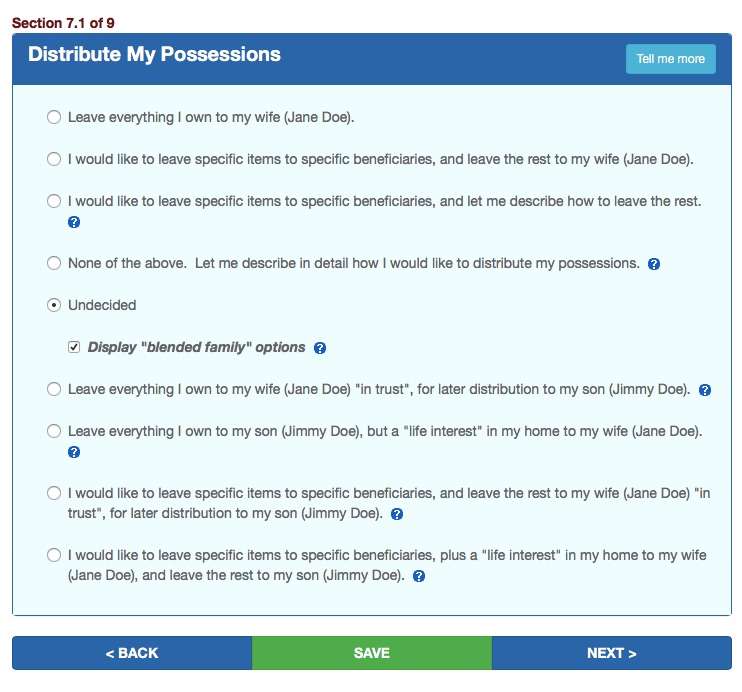
A Trust functions as the better alternative to creating a binding Joint Will which becomes irreversible. At USLegalWills.com , our Will writing service supports two powerful trust options:
- Your current partner has the right to stay in the house until they die but the property will transfer to your children after their passing.
- Your current partner can live off the proceeds of your estate, but it is held in trust for your children.
The trust arrangements safeguard your children’s property from inheritance problems yet they enable your surviving spouse to receive benefits without requiring a Joint Will. For more on this topic, see our guide to writing Wills for blended families .
How Much Do Mirror Wills Cost at USLegalWills.com?
Most couples are best served by Reciprocal or Mirror Wills. Given that Mirror Wills are better for virtually everyone, we do not offer Joint or Mutual Wills, especially in light of the commonly reported problems.
At USLegalWills.com, writing Mirror Wills is both convenient and affordable:
| Item | Price |
|---|---|
| First Will | $49.95 |
| Second Will (40% discount) | $29.97 |
| Total for both | $79.92 |
The first Will takes about 30 minutes to complete. Once you are familiar with the service, the second Will typically takes half the time. You should also consider adding a Power of Attorney and Living Will to your estate plan. If you have any questions, our support team is always here to help.

He has over 20 years of experience helping people to write their Will and other estate planning documents. He has been interviewed by many of the major news media outlets, and has contributed to articles in The New York Times, NY Metro Parents, U.S. News & World Report, and other leading publications. He has also contributed to a number of financial planning books.
Throughout his career, Tim has written extensively on the subject of Will writing and estate planning.
- Testamentary Trusts – what are they and how are they created? - April 2, 2026
- Every document you need for a complete estate plan. - March 26, 2026
- Estate Planning in troubled times - March 12, 2026